Open training
One day, one industry, your brand on the workbench. You work through the process itself and leave with a first brand map, a baseline measurement and a 90-day plan.
Brand Semantics — education
We teach you to measure, repeatably and on the questions your customers actually ask, what ChatGPT, Gemini and other models say about your brand. And then to turn that result into work that improves your chances of being recommended. You work on your own brand, with a method you can run again without us.
+49% conversion
how much better traffic from AI assistants sells than traffic from search, in sessions that begin on a product detail page (Shopify, Q1 2026)
−34.5%
the drop in clickthrough rate for the page ranking first when an AI answer sits above the results (Ahrefs, 04/2025, 300k queries)
more than 8×
more visits from AI assistants year on year; orders nearly 13× (Shopify, Q1 2026)
Two things are happening at once. Classic search traffic is shrinking — 68% of Google searches now end without a click (SparkToro, US, Jan–Apr 2026). At the same time, in sessions that begin on a product detail page, traffic from AI assistants converts 49% better than search traffic. Average order value from AI assistants is 14% higher than from search (Shopify, Q1 2026). Which is why what matters is no longer only whether a brand is visible, but whether AI understands it correctly and takes it into account when someone asks what to buy.
This is not a one-off test. You learn a process you can repeat, so that AI is more likely to recommend your brand at the moment a customer asks what to buy.
What should AI understand about your brand?
You put in order what the brand is to be associated with: products, needs, audiences, attributes. That is what tells you which answers to look for in GenAI.
How do your customers ask?
You design the questions customers really ask at different stages of a decision — not the questions that produce an answer convenient for the board.
What do the models actually say?
You measure the answers repeatably, before your changes and after them, so that you see a difference rather than a single result.
What do you do about it?
You turn the result into specific work on content, offer and communication — with an order of play and named ownership.
Open training
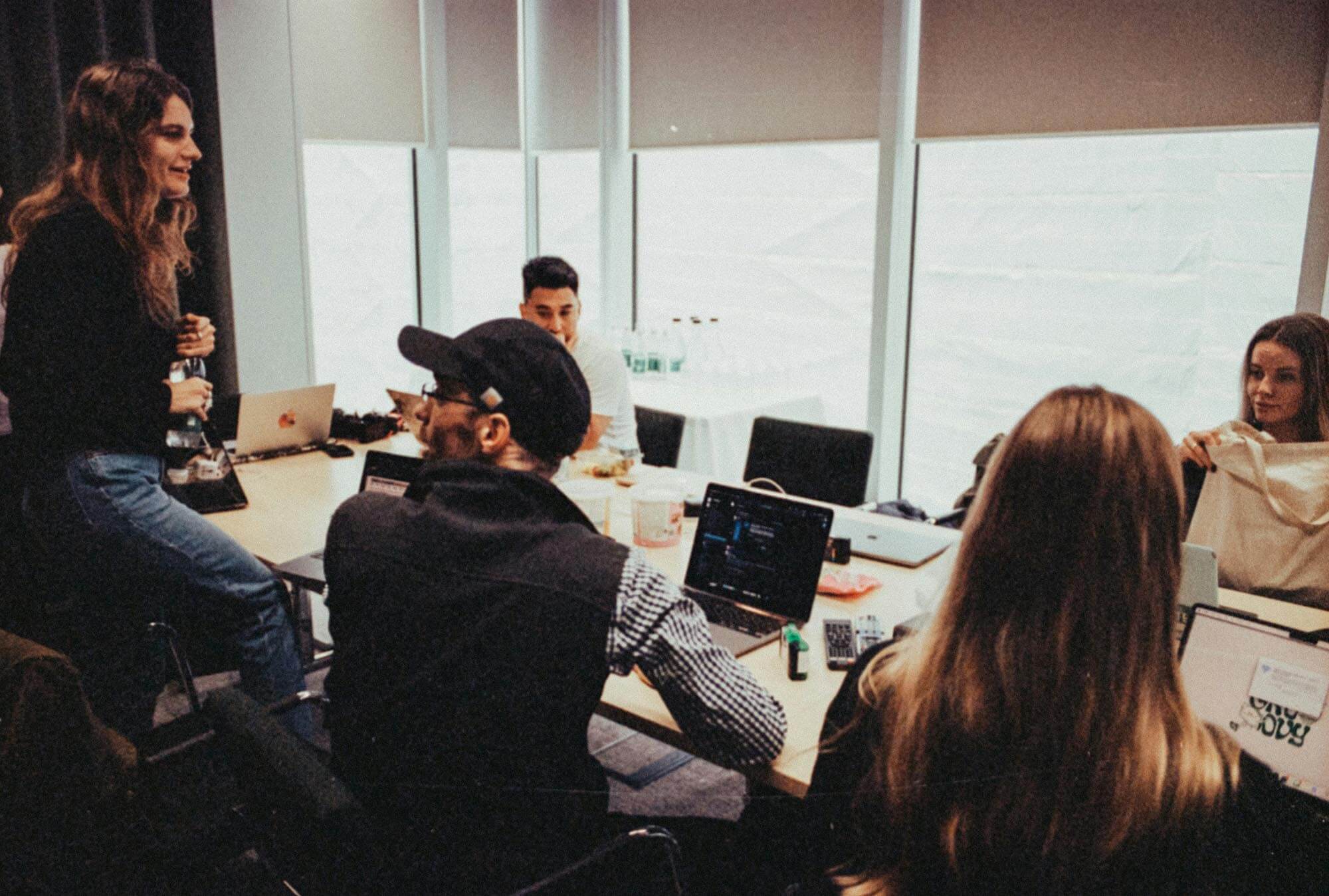
One day, one industry, your brand on the workbench. You work through the process itself and leave with a first brand map, a baseline measurement and a 90-day plan.
In-house training for your company
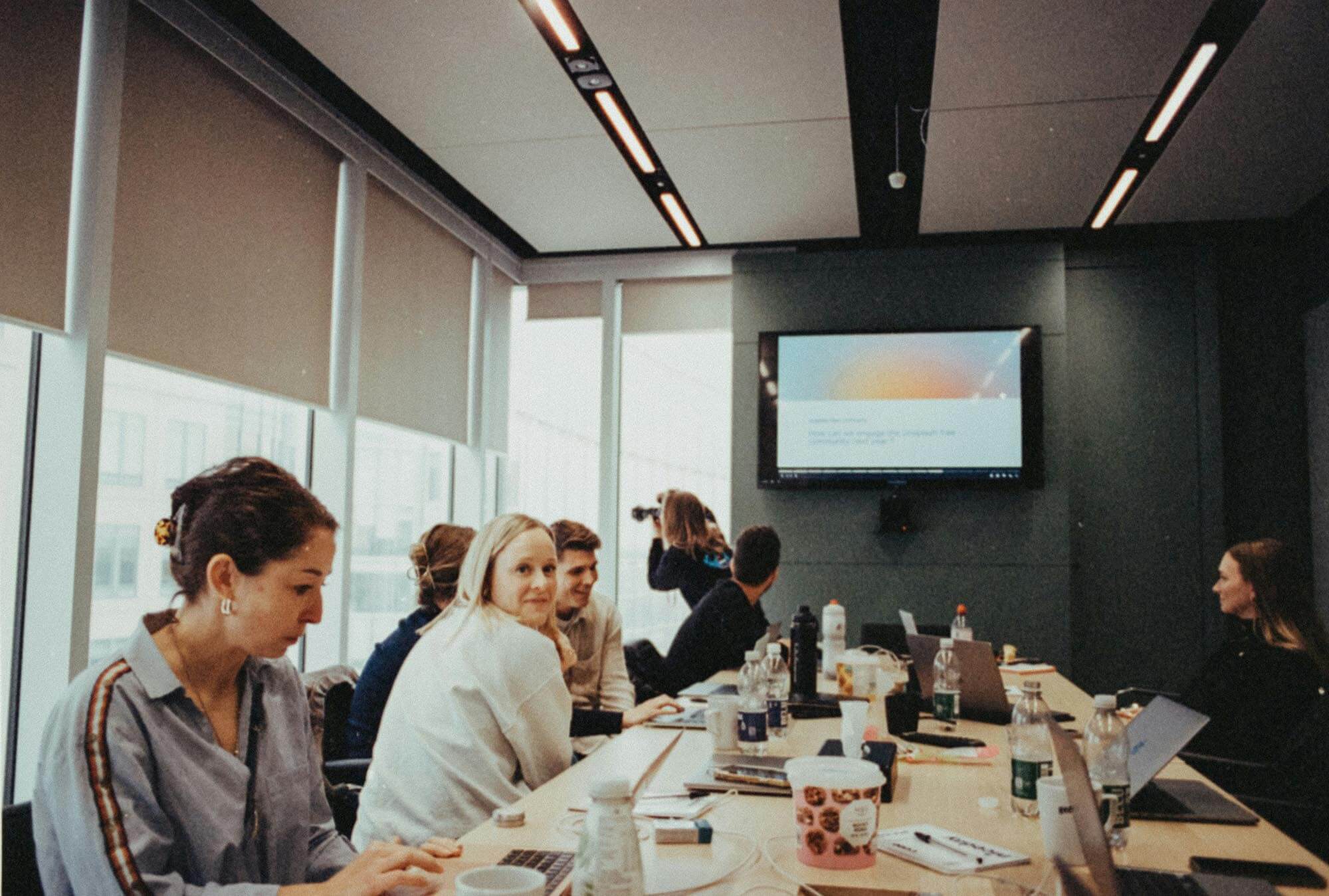
A programme designed for your company — it takes shape after a needs diagnosis and surveys among the participants. From brand visibility in AI, through GenAI tools in the daily work of sales, marketing, customer service, data analysis and administration, to AI agents and the capability transformation of whole teams.
A first brand map
what AI is to connect it with, written down and in order
A baseline measurement
what the models say today, so that next quarter there is something to compare against
A plan for 7, 30, 60 and 90 days
from diagnosis to specific work, in the order it should be done
A method you can repeat
you can run the same process in-house afterwards, without us
Companies are only beginning to organise ownership of how AI understands their brands. After the training you can define the brand picture you want, design the questions, run the measurement and turn the result into work. You get the method and your own first result, so you can carry the process on inside the company.
A growing share of buying decisions now begins with a conversation with a language model rather than with a list of links. On one side of that conversation is your brand, on the other your customer. In between, someone is needed who understands both: who knows what the models are to understand about the brand, checks what they actually tell customers, and decides what to do about it.
We name that capability plainly: the person responsible for how AI understands the brand. No degree course teaches it and most companies have no such job title — which is precisely why it is worth acquiring now. The market is not asking less of marketers today, it is asking more: answers to questions nobody was asking three years ago.
On our training you acquire that capability in practice: you define the brand picture you want, you measure what the models answer, and you turn the result into work. You become the person the company brings these questions to — and who answers them with a measurement rather than an opinion.


Od 20 lat w branży digital marketingu oraz fotografii marketingowej


Prowadzi HUMANAI Agency, gdzie łączy wiedzę ekspercką z systemami AI zarządzającymi kampaniami.
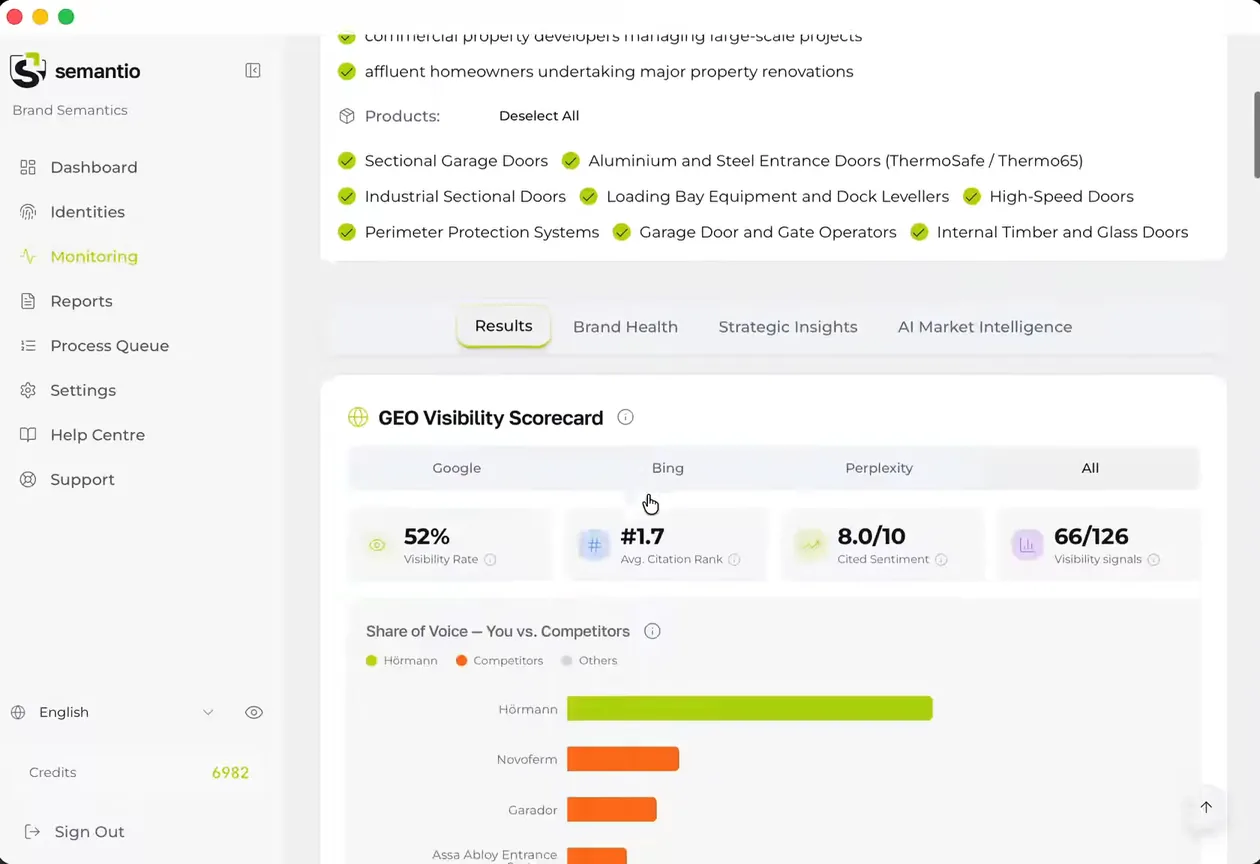
On the training you work on Semantio — our tool for measuring, repeatably, what the models say about brands. On the real questions customers ask, you check whether and in what context the brand appears in answers from ChatGPT, Claude, Gemini, Perplexity, Copilot, Grok and DeepSeek, and who the models point to instead of it. The results come back as a report you can return to after your changes and compare. Which is why the training does not end at slides or at a demonstration of prompts — you work on a result for your own brand.
Alongside our open training we design in-house programmes commissioned by companies. The programme takes shape after a diagnosis: we talk to the decision-makers, collect surveys from the future participants, and match the scope, the level and the exercises to specific departments — sales, marketing, customer service, data analysis, field service or administration. We train where your team works, in one location or several, and we develop the programme in stages as the team grows into it.
Brand visibility and recommendations in AI (GEO)
How the models describe and recommend your brand, how to measure that repeatably in Semantio, and how to turn the result into presence in the answers people buy from. The same process we teach on our open training — entirely on your brand, your data and with your team.
GenAI tools in daily team work
Microsoft Copilot, ChatGPT, Claude and Gemini on the real tasks of your departments. We build the exercises on examples from the work participants actually do, from beginner to intermediate — so that the tools genuinely shorten the work rather than remaining a curiosity once the training is over.
AI agents and process automation
Where an agent makes sense, how to design the process, how to connect the tools and what to leave to people. The natural next stage for teams that have the basics of GenAI tools and want to optimise whole processes rather than single tasks.
Capability transformation of teams
Bringing employees up to the standard of working with language models: a diagnosis of levels, a development programme in stages, shared standards for working with LLMs across the organisation. For companies that want to raise the effectiveness of whole teams rather than of individuals.
Every participant finishes with the materials and a digital, verifiable certificate that can be attached to a LinkedIn profile.
We work with boards and teams on a single goal: that what a company knows about itself, its products and its processes is equally clear to a customer, an employee and a language model.
We conducted an in-person workshop training on GenAI with Brand Semantics for the employees of our representation, namely those from the sales and customer service departments. The starting point was Microsoft Copilot, which we had implemented, but we were definitely using it below its capabilities.
I appreciate the way the training was prepared. Before the training, we received an extensive questionnaire, and the workshop scenarios were built around our own processes - from customer inquiry to preparing a ready offer - in collaboration with one of our employees. This was not a ready-made module taken off the shelf, but a programme tailored to the specifics of our business and the daily work of the team.
I see the substantive value of the training primarily in two areas. Firstly, the team better understood how GenAI tools work, where they can actually streamline work, and where the limits of trust in the responses they generate lie. Secondly, the participants gained a broader view of the market and available solutions, which allows them to navigate this topic more freely in conversations with our dealers today.
After the training, specialists from Brand Semantics conducted a survey among the participants, shared the results with us, and then prepared additional materials and solutions arising from the needs identified during the training. It's hard to find a better proof that the partner cares about the implementation effect, rather than just closing the topic on the day of the training.
The best confirmation of the training's effect in Sosnowiec is that it has become the first stage of a broader programme. We are conducting further workshops in the remaining representations of Hörmann Polska, and for the teams that have completed the basic level, we are preparing an advanced stage. We are developing the programme together with Brand Semantics, adjusting the levels of difficulty to the advancement of individual departments.

Aleksandra Wolska-Balina
Director of Representation · Hörmann Polska

We ordered an in-person training session on GenAI for the employees of our design office from Brand Semantics. We wanted something more than just an overview of trendy tools. We aimed to understand where large language models genuinely assist in analysing documentation and regulations, and where they pose risks.
The training combined theoretical content with a workshop based on our own cases. We came away with concrete outcomes: ready-made recommendations for the team, a procedure for verifying the model's responses, and clear guidelines for handling investor data. The programme from Brand Semantics was evidently tailored to the specifics of a design office, rather than being replicated, as is the case with many other competing trainings, from a universal template.
Today, we benefit from the results on a daily basis. Our work has significantly accelerated, the team can verify what the model proposes, and they independently seek out additional areas where efficiency can be improved.
Collaboration with Brand Semantics has been exemplary: factual, specific, and with a full understanding of what our daily work entails.

Joanna Balasińska
President, Architect · AGP1 Architekci

Brand Semantics is a rare example of a team that understands that a brand is not just a message, but a system of meanings that operates in the minds of people and algorithms simultaneously. The collaboration demonstrated how precise management of brand semantics can genuinely support strategic decisions, narrative consistency, and long-term trust. This approach goes beyond marketing and becomes a tool for conscious leadership.

Józef Kącki
CEO · Leaders Island

Brand Semantics has turned out to be a natural complement to our world of data and analytics. Even the most advanced metrics lose their value if a brand does not communicate in a precise, unequivocal language — one that is understandable both to people and AI systems. The services provided by Brand Semantics help companies organise the narrative around their products, reduce the decision-making distance for customers, and build trust based not on promises, but on meanings that are consistent with the data.

Tomasz Wileński
CEO · Islay Metrics
From the perspective of someone who builds products at the intersection of marketing, technology, and organisational knowledge, I rarely see partners who truly understand what brand communication becomes in the AI era. The Brand Semantics team views marketing more broadly than just through the lens of content or SEO. They understand brand voice, semantics, governance, and how to translate meaning into real business advantage.

Tomasz Michalik
CEO · Brandworder

Brand Semantics helped us to look at our brand and communication from the perspective of processes, rather than just marketing slogans. This approach is particularly important in the ERP systems industry, where purchasing decisions are rational, long-term, and based on trust in the partner's competence. Our collaboration showed that precise management of brand meanings can genuinely support B2B sales, shorten the customers' decision-making journey, and strengthen the company's position as a mature technology provider.

Dariusz Pekałowski
CEO · Directo Polska